01Miami install work starts with the building
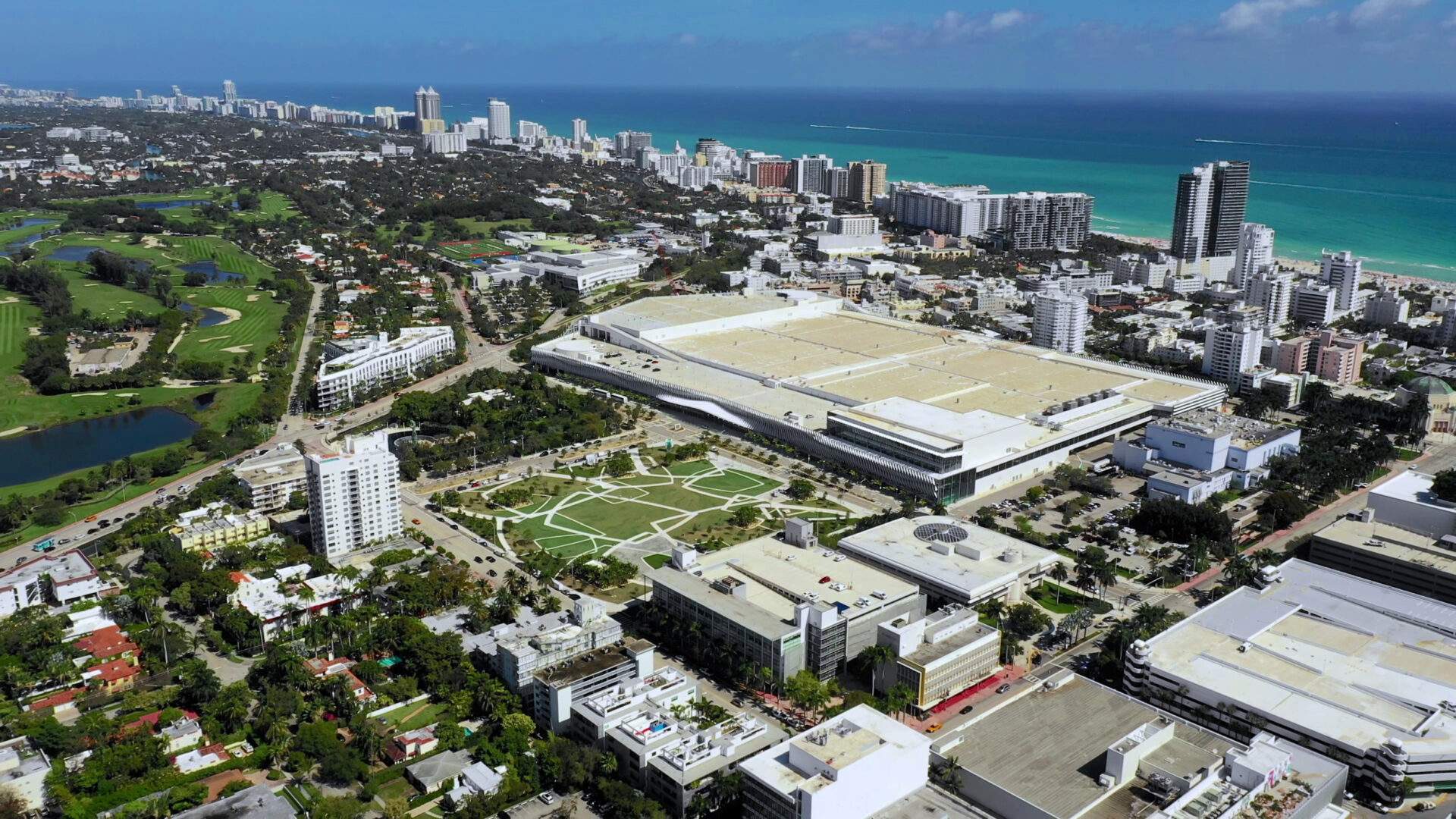
Trade Show Installation of Miami plans around the room before it talks about labor hours. Miami Beach Convention Center, downtown hotel ballrooms, airport-west exhibit halls, and Broward overflow dates each change the receiving path, service desk pressure, guest traffic, and strike plan.
That building-first approach keeps the work honest. A booth that looks straightforward in a rendering can still need tighter freight sequencing, earlier graphics checks, more field supervision, or a different AV plan once the venue manual and move-in calendar are on the table.
02What gets controlled before move-in
The first pass is schedule control: access windows, EAC paperwork, service orders, labor calls, advance warehouse timing, empty storage, graphics readiness, and the person who can make decisions on the floor. Those details decide whether the install feels calm or reactive.
The second pass is scope control. Some programs need broad coordination across multiple vendors. Others need a sharper I&D lane, a rental package, or technical support that stays aligned with the physical build. The right answer depends on the venue, the footprint, and how much risk the client is carrying into show week.
03South Florida is one connected operating map
Miami-Dade and Broward do not behave like a single loading dock. Beach properties create hospitality and access constraints. Downtown and Brickell put timing pressure on curb, elevator, and guest-flow decisions. Doral and the airport belt can help freight but still demand clean paperwork. Broward can extend the calendar and the drive-time math.
The practical goal is to match the show to that map. A stronger brief names the venue, district, booth footprint, vendors, utility exposure, and strike requirements early enough that the plan can be sequenced instead of rescued.
04How clients should feel the difference
A good install partner reduces ambiguity before the crew arrives. The client should know what has been approved, what is still exposed, who owns each handoff, and which decisions would create overtime, rework, or show-floor stress if they wait too long.
The closeout matters too. Outbound freight, rental returns, crate condition, storage choices, and supervisor notes decide whether the next event starts with useful information or the same preventable problems.